Nestled in the hills of southern Bosnia and Herzegovina, Medjugorje is a small town known worldwide for its reported Marian apparitions and as a spiritual pilgrimage site. Whether you’re visiting for religious reasons, personal reflection, or simply curious to experience its unique atmosphere, Medjugorje offers a serene and welcoming environment.
Where and what is Medjugorje?
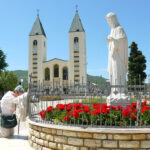
St. James is the center of sacramental life in Medjugorje
On June 24, 1981, in the hamlet of Bijakovici within the parish of Medjugorje, two teenage girls, Ivanka Ivankovi? (15) and Mirjana Dragi?evi? (16), were walking along the base of Mount Podbrdo when Ivanka noticed a luminous figure of a woman holding an infant high on the hillside among the rocks and brambles. Instinctively, the girls believed this was the Virgin Mary, but startled and unsure, they did not approach her.
The following day, feeling a strong inner call, the two girls returned to the site with four other local children: Vicka Ivankovi?, Ivan Dragi?evi?, Ivan Ivankovi?, and Milka Pavlovi? As they climbed the rugged mountain, they reported being drawn effortlessly toward the apparition, traversing boulders and thorny bushes with ease. When they reached the spot, the woman introduced herself as the “Queen of Peace.” The children fell to their knees and began to pray with her. She prayed with them and promised to return again.
Since these initial events, the apparitions have reportedly continued in Medjugorje, drawing millions of pilgrims and inspiring numerous stories of spiritual conversion and reported miracles. The ongoing events have made Medjugorje one of the most notable sites of Marian devotion in contemporary Catholic history
Medjugorje is located in the Herzegovina region of Bosnia and Herzegovina, about 25 kilometers southwest of Mostar and close to the Croatian border. It sits at the foot of the Bijakovici hills, providing a peaceful rural setting that feels far removed from the bustle of modern life.
While Bosnia and Herzegovina is not yet part of the European Union, travel to Medjugorje is straightforward, especially for visitors already touring nearby Croatia.
How to Get to Medjugorje
By Air:
Mostar Airport (OMO): Closest (about 30 minutes by car), but limited flights.
Dubrovnik Airport (DBV), Croatia: About 2 hours’ drive away. A popular choice for international travelers.
Split Airport (SPU), Croatia: About 2.5 hours away.
Airport Transfers:
Private transfers and shuttle buses are available from Dubrovnik and Split airports directly to Medjugorje. Many hotels can also arrange pickup services.
By Car:
Renting a car from Dubrovnik, Split, or Mostar is a convenient option.
The roads are generally good, and the drive is scenic, especially crossing the border into Bosnia and Herzegovina.
GPS navigation is recommended.
By Bus:
Direct buses run from Split, Dubrovnik, and Mostar to Medjugorje daily, but schedules can vary seasonally.
Local travel agencies often offer organized pilgrim tours including bus transport.
What to Expect in Medjugorje
Medjugorje is a town centered around faith, peace, and reflection. The atmosphere is calm and welcoming, with locals accustomed to visitors from around the world. You can expect:
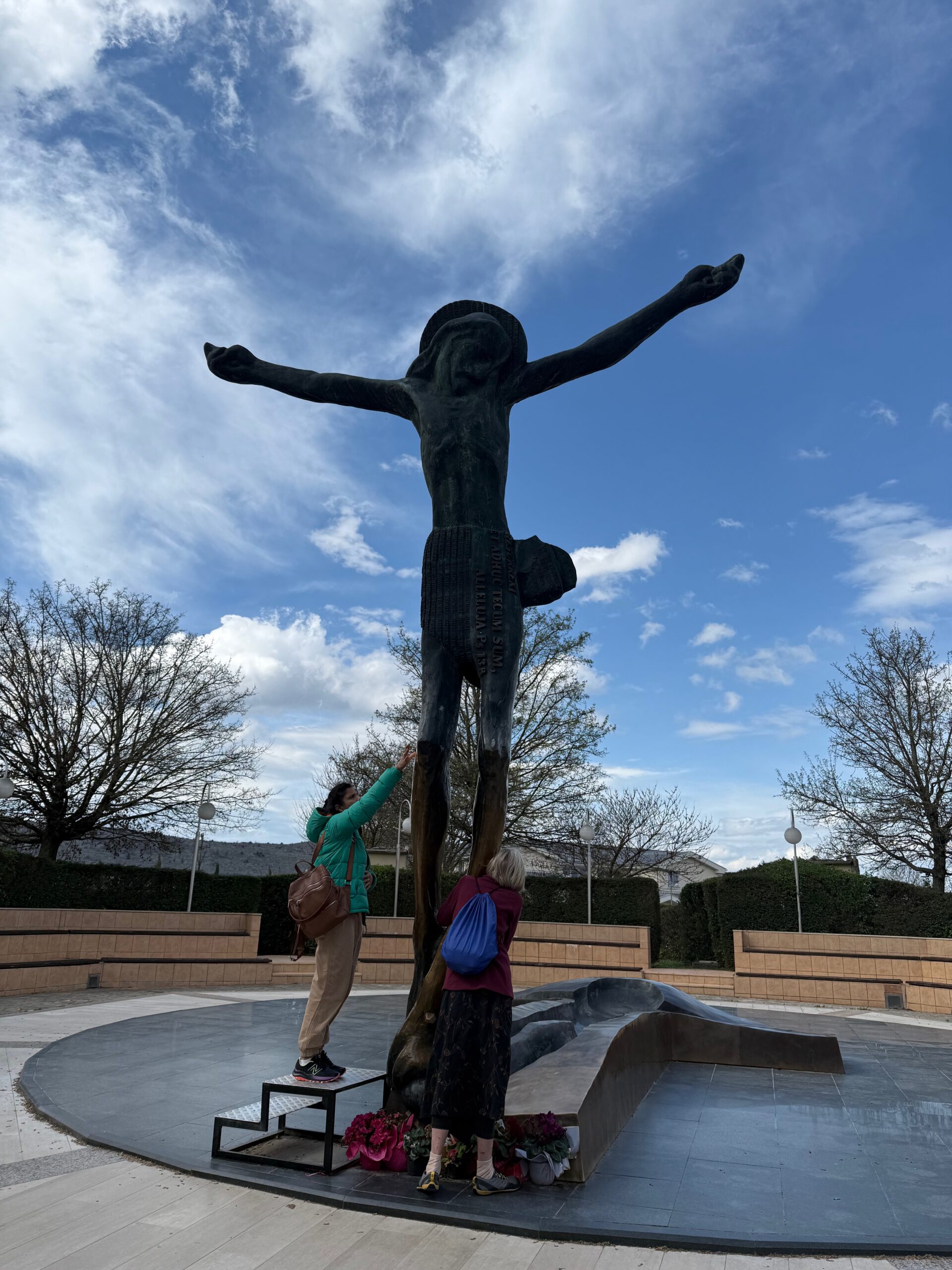
Apparition Hill (Podbrdo): Pilgrims climb this rocky hill where six local children reported seeing visions of the Virgin Mary in 1981.
St. James Church: The heart of the town, with daily masses offered in multiple languages.
Cross Mountain (Krizevac): A larger and more challenging hike leading to a giant cross erected in 1934. Pilgrims often pray the Stations of the Cross along the way.
Peace and Spirituality: Whether or not you are religious, the town’s tranquil setting provides a perfect place for meditation and reflection.
Shops and Cafes: Small stores sell religious souvenirs, rosaries, and books. Plenty of cafes and bakeries serve affordable, home-cooked meals.
Dress Modestly: Since it’s a religious site, it’s respectful to dress conservatively, especially during mass or when entering churches.
Currency:
Local currency is the Bosnian Convertible Mark (BAM), but Euros are widely accepted.
Where to Stay in Medjugorje
Medjugorje offers a variety of accommodations for different budgets:
Hotels and Guesthouses:
Many family-run hotels offer clean, comfortable rooms and homemade meals.
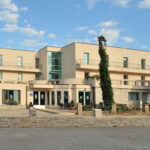
Hotel Grace, located near St. James Church, is a favorite among pilgrims for its convenience and hospitality.
Medjugorje Hotel & Spa offers a more upscale stay with spa facilities perfect for relaxing after long walks
Pensions and Private Rooms: These are affordable and often include breakfast. Booking through local sites or directly with the property can be cheaper than online platforms.
Tip: During major feast days (like June 25, the anniversary of the apparitions), accommodations fill up quickly. It’s best to book several months in advance if you’re visiting during peak pilgrimage times.
Final Thoughts
Whether you come to Medjugorje seeking spiritual healing, personal reflection, or simply a peaceful retreat, you’ll find a welcoming town where the pace of life slows down and the spirit is uplifted. Surrounded by stunning landscapes, simple kindness, and a profound sense of peace, many visitors leave Medjugorje with a renewed sense of purpose and hope.