The Dead Sea Jordan is one of the most extraordinary natural destinations on Earth. Sitting at the lowest point on the planet — roughly 430 meters below sea level — Jordan’s Dead Sea shore is a place where you float effortlessly, coat yourself in mineral-rich mud, and gaze across the water toward the hills of the West Bank. It is unlike anywhere else you will ever visit.
This guide covers everything you need to know before you go: what to do, where to stay, when to visit, how to get there, and the practical tips that make a difference on the ground.
Where Is the Dead Sea?
The Dead Sea lies on Jordan’s western border, roughly 55 kilometers southwest of Amman. It is shared between Jordan to the east and the West Bank to the west, with the northern tip near the mouth of the Jordan River. Despite its name, the Dead Sea Jordan is actually a landlocked salt lake — and the saltiest large body of water in the world, with a salinity roughly ten times that of the ocean.
The Jordanian side of the Dead Sea is the most accessible for international visitors and offers the most developed resort and spa infrastructure. Most travelers arrive from Amman in under an hour by road. For official tourism information, visit the Jordan Tourism Board.
Why Visit the Dead Sea?
The Float
The reason most people come to the Dead Sea Jordan is to experience the famous float. The extraordinary salt concentration — around 34% — makes the water so dense that it is physically impossible to sink. You simply lie back and the water holds you up. It sounds like a gimmick until you experience it; in practice it is one of those travel moments you genuinely do not forget.
A few things to know before you float:
Do not shave the day before. The salt will sting any open skin or cuts intensely.
Avoid getting water in your eyes or mouth. It is deeply unpleasant and can cause temporary vision issues.
Floating is harder than it looks. Your legs will want to rise and your head will want to sink. Leaning back and relaxing is the key.
Bring water shoes. The rocky, salt-encrusted shoreline is hard on bare feet.
The Mud
Dead Sea Jordan
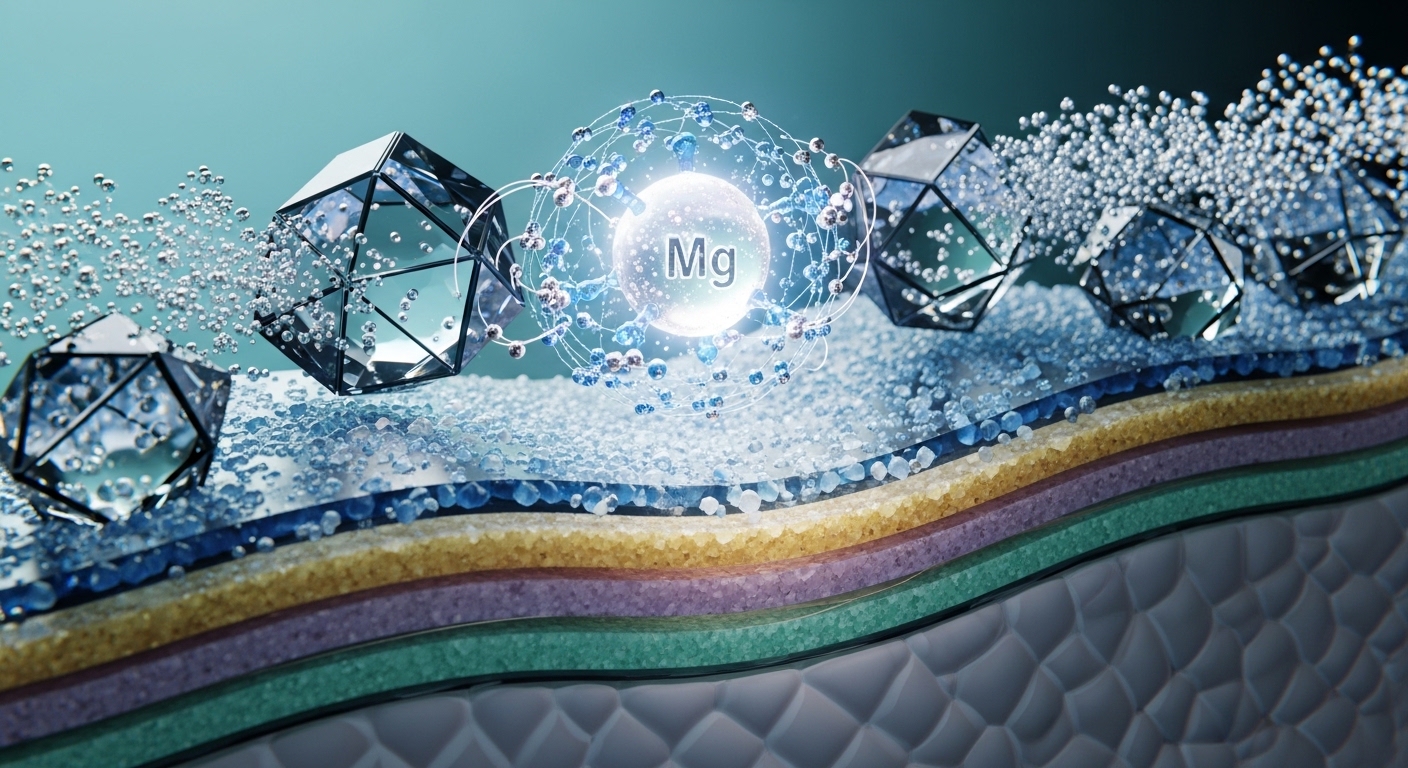
black mud is rich in magnesium, calcium, potassium, and zinc. Visitors smear it across their skin, let it dry in the sun, then rinse off in the water. The combination of mineral absorption and the natural scrubbing effect as the mud dries is excellent for the skin — and genuinely therapeutic for certain conditions including psoriasis and eczema, as documented in clinical research published by the NIH. Many resorts offer formal mud treatments as part of their spa programs.
The Minerals
The Dead Sea’s mineral content is the foundation of a global wellness and cosmetics industry. Dead Sea salts, mud, and mineral extracts are exported worldwide and used in premium skincare formulations — from face masks and body scrubs to targeted treatments for skin conditions. If you are interested in the skincare science behind these minerals, this area of the wellness industry is significant and growing.
The Landscape
The Dead Sea Jordan is surrounded by dramatic desert landscape — arid, golden hills dropping steeply to the flat blue-white water below. Sunrises and sunsets over the Dead Sea Jordan are spectacular. The light at both ends of the day takes on a quality that is genuinely hard to describe and easy to photograph.
Best Time to Visit the Dead Sea
The Dead Sea Jordan is a year-round destination, but conditions vary significantly by season.
October to April is the most comfortable time to visit. Temperatures are mild to warm — typically 20–28°C (68–82°F) — and outdoor activities are pleasant. This is peak season for most visitors.
May to September is hot. Temperatures regularly exceed 38–42°C (100–108°F) at the Dead Sea Jordan shoreline, which sits in a deep depression with intense heat. Visiting in summer is possible — the resorts are well air-conditioned and the experience of floating in the heat has its own appeal — but outdoor time between 10am and 4pm is uncomfortable for most people.
December and January can see cooler temperatures and occasional rain. The water remains warm (around 22°C/72°F) year-round due to the salt concentration, and the low season means better hotel rates and fewer crowds.
What to Do at the Dead Sea
Float and swim — the essential experience. Public beaches exist, but resort beaches offer cleaner facilities, shade, showers, and fresher water for rinsing off after your float.
Spa treatments — the major resorts have excellent spa facilities offering Dead Sea mineral treatments, mud wraps, and full wellness programs. Even if you are not staying at a resort, many offer day passes that include spa access.
Sunset and sunrise — find a quiet spot on the shore or book a balcony room facing west for the sunset, or east-facing for sunrise over the Jordanian hills. Both are worth planning for.
Day trip to Bethany Beyond the Jordan — just north of the main Dead Sea Jordan resort area is the baptism site of Jesus Christ, a UNESCO World Heritage Site. It is a significant religious and historical site and an easy half-day excursion from any Dead Sea resort.
Day trip to Wadi Rum — Jordan’s iconic red desert is one of the most dramatic landscapes in the Middle East. UNESCO-listed and famously used as a filming location for major Hollywood productions, Wadi Rum is a full-day trip from the Dead Sea. See our Wadi Rum travel guide for everything you need to plan your visit.
Day trip to Madaba and Mount Nebo — Madaba, known for its Byzantine mosaics, and Mount Nebo, where Moses is said to have viewed the Promised Land, are both within an hour of the Dead Sea. Mount Nebo offers spectacular panoramic views across the Jordan Valley on clear days.
Day trip to Wadi Mujib — often called the Grand Canyon of Jordan, Wadi Mujib is a dramatic gorge emptying into the Dead Sea. It offers adventure hiking through water canyons and is easily combined with a Dead Sea day.
Where to Stay at the Dead Sea
The main resort strip runs along the northeastern shore of the Dead Sea, roughly an hour from Amman. Accommodation ranges from luxury five-star resorts to mid-range hotels.
Kempinski Hotel Ishtar Dead Sea — widely considered the best property on the Dead Sea. Multiple pools, a private beach, excellent spa facilities, and stunning design. Premium pricing reflects the quality.
Marriott Dead Sea Resort & Spa — a well-run international property with strong spa and pool facilities, consistently reliable service, and more competitive pricing than the Kempinski.
Mövenpick Resort & Spa Dead SeaJordan — popular with families and couples, with a large pool complex, private beach access, and a good range of restaurants.
Holiday Inn Resort Dead SeaJordan— a solid mid-range option that delivers good value. Less luxurious than the top-tier resorts but well-located and comfortable.
For budget travelers, there are also some smaller locally-run guesthouses near the resort strip, though the major resorts offer the best beach and spa access.
How to Get to the Dead Sea from Amman
By taxi or private car — the easiest option. The drive from Amman takes approximately 50–60 minutes depending on traffic. Fixed-rate taxis and private transfer services are available from both Queen Alia International Airport and central Amman. The road descends dramatically through desert landscape — the last stretch drops rapidly as you approach the shoreline.
By rental car — Jordan is well-suited to self-drive travel and the Dead Sea road from Amman (Route 65) is well-maintained. Parking at resorts is generally straightforward.
By public transport — public minibuses run from South Amman Bus Station (Wahdat) toward the Dead Sea area, but service is infrequent and connections to the resort strip are not direct. Not recommended if you want a comfortable day visit.
Practical Tips for Visiting the Dead Sea
Bring a dark swimsuit. The Dead Sea minerals and salt will permanently stain lighter-colored swimwear.
Do not stay in the water longer than 15–20 minutes at a time. The high mineral concentration draws moisture from your skin. Rinse off thoroughly with fresh water after floating.
Apply sunscreen generously. The Dead Sea Jordan is at low altitude and reflects sunlight intensely off the water surface. UV exposure is higher than it appears.
Drink plenty of water. The heat and the dehydrating effect of the salt water mean hydration is important throughout the day.
Book resort day passes in advance in peak season. The major resorts sell day access to their beach and pool facilities, but these sell out on busy weekends and holidays. Call or book online ahead of time.
The Dead Sea and Jordan’s Growing Investment Scene
Beyond its appeal as a travel destination, the Dead Sea sits at the center of one of Jordan’s most significant economic sectors. The mineral extraction and export industry built around Dead Sea resources represents a genuine high-growth opportunity — Dead Sea minerals are in demand globally for pharmaceutical, wellness, and premium cosmetics applications.
Jordan as a whole has been attracting growing international investment attention, with strong government incentives, a stable political environment, and a strategic location connecting European, Asian, and African markets. For a detailed look at the broader investment landscape across sectors including tourism, renewable energy, and mining, see our complete guide to investing in Jordan at FastCashForex.
Bottom Line
The Dead Sea Jordan delivers on its reputation. The float is unlike anything else, the mineral mud is excellent for your skin, and the landscape is dramatic in a way that photographs do not fully capture. Combined with easy day trips to Bethany, Madaba, Mount Nebo, and Wadi Mujib, a two or three night stay at a Dead Sea resort makes for one of the most memorable stops in any Middle East itinerary.
Jordan is an accessible, safe, and genuinely rewarding destination — and the Dead Sea is one of its best reasons to visit. If you are extending your Middle East trip, see our guide to traveling solo in Dubai.
Practical information in this guide is accurate as of 2026. Resort pricing, transport options, and entry requirements may change. Always check current travel advisories and visa requirements for Jordan before booking.